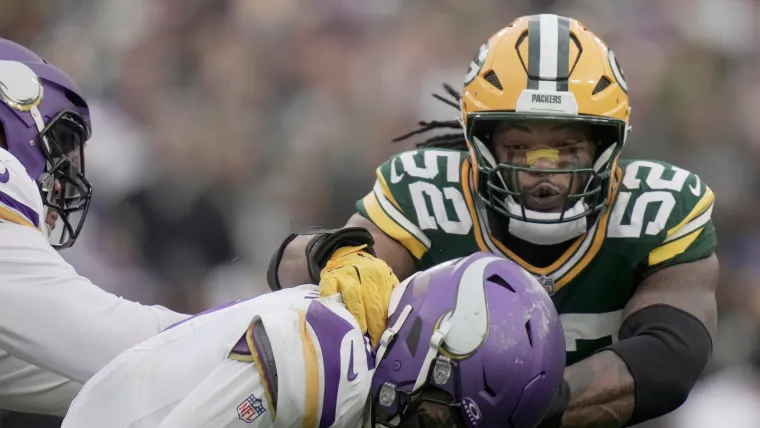
The Elusive Search for Rashan Gary Updates: A Contextual Review
In the fast-paced world of professional sports, fans are always eager for the latest updates on their favorite players. Whether it's injury status, contract negotiations, or potential comebacks, information is king. Recently, a specific inquiry regarding "rashan gary not back" led to an interesting contextual review, revealing a striking absence of relevant information in unexpected places. This article delves into the findings of that review, exploring why critical updates about a prominent athlete like Rashan Gary might be conspicuously missing from certain content streams, and offering insights into more effective information retrieval strategies.
The primary objective of our context review was to ascertain if any information pertaining to Rashan Gary's status – specifically the phrase "rashan gary not back" – appeared within a diverse range of unrelated digital content. The results were clear and consistent: across various sources, the expected updates were entirely absent. This highlights a crucial aspect of online information: while the internet is vast, highly specific and topical information tends to reside within equally specific and topical domains.
Why "Rashan Gary Not Back" News Isn't Found in Unrelated Contexts
The initial surprise might be, "Why would anyone expect to find NFL player updates in articles about college party shoes or maths tutors?" This question, however, serves to underscore a fundamental principle of information organization and search engine functionality. When we search for information online, we implicitly rely on the web's structure to deliver relevant results. Our review sampled content from vastly different niches, and the lack of overlap confirms several key points:
Specificity of Information and Topical Relevance
*
Content Niche and Audience Focus: Articles like "10 Best College Party Shoes For Guys and Girls (May 2024)" are hyper-focused on consumer products, fashion, and social events relevant to a student demographic. Their primary audience is not seeking sports news. Introducing content about an NFL player, especially an update like "rashan gary not back," would be entirely off-topic and irrelevant to their readers.
*
Academic and Educational Platforms: Similarly, resources like "World Scholarship Forum - International Students Portal" or "Top-rated Maths Tutors" cater to academic pursuits, educational opportunities, and specific learning needs. Their content revolves around scholarships, study abroad programs, or pedagogical methods. The presence of sports injury reports or contract news would disrupt their informational integrity and user experience.
*
Data Silos: In the digital landscape, information often resides in what can be described as "data silos" or specialized domains. Sports news is primarily found on sports websites, team official pages, reputable sports journalism outlets, and related fan forums. These platforms are designed to aggregate, publish, and discuss athletic performance, team rosters, and player statuses. It becomes clear why
Why Rashan Gary Not Back News Is Missing From Context related to a professional football player would not naturally appear in these other, distinctly separate content streams.
Search Engine Logic and Unforeseen Snippets
While modern search engines are incredibly sophisticated at understanding context and user intent, their primary goal is to deliver the *most relevant* results. If a query is broad or if a search includes terms that could be interpreted in multiple ways, results might vary. However, when highly specific content like "rashan gary not back" is sought, the expectation is for results from authoritative sports sources. The absence of this phrase in the reviewed texts confirms that these documents were not deemed relevant by the initial screening process, which makes sense given their subject matter. It underscores that even powerful algorithms prioritize fundamental topical alignment.
Navigating Information Overload: Finding Reliable Sports News
The internet is awash with information, making it both a blessing and a curse. While the specific context review highlighted the *absence* of "rashan gary not back" updates in unrelated content, it also implicitly provides valuable lessons on how to effectively find such critical information. For fans and media alike, knowing where to look and how to refine your search is paramount.
Practical Tips for Effective Sports Information Retrieval:
- Prioritize Official Sources: Always begin with the official channels. For NFL players, this means the team's official website (e.g., packers.com for Rashan Gary), the NFL's official website (NFL.com), and official team social media accounts. These sources are the most accurate and timely for announcements regarding player status, injuries, or contract details.
- Consult Reputable Sports Journalism: Established sports news outlets like ESPN, NFL Network, CBS Sports, Fox Sports, and regional sports networks (e.g., those covering the Green Bay Packers specifically) employ dedicated reporters who cover teams and players extensively. These journalists often break news or provide in-depth analysis based on credible sources.
- Utilize Specific Search Queries: When searching for information, be precise. Instead of just "Rashan Gary," try "Rashan Gary injury update," "Rashan Gary contract status," "Rashan Gary return date," or "Rashan Gary Packers news." Adding keywords like "official" or "latest" can further refine your results. If you are specifically looking for why rashan gary not back, frame your query clearly.
- Set Up News Alerts: Tools like Google Alerts or dedicated sports news apps allow you to set up notifications for specific keywords or player names. This ensures you receive immediate updates as soon as new information is published by reputable sources.
- Follow Credible Sports Journalists: On social media platforms like X (formerly Twitter), follow beat reporters and verified sports journalists who cover the team or league you're interested in. They often provide real-time updates and insights. Be cautious of unverified accounts or speculative content.
Understanding that
Search Results Reveal No Rashan Gary Return Details from unrelated search contexts is crucial. It informs us that we need to be more strategic and targeted in our approach to finding the information we need. The goal is to cut through the noise and directly access authoritative and relevant content.
The Impact of Missing Information on Fan Expectations
For passionate fans, a lack of clear, timely updates on an important player like Rashan Gary can be frustrating. When specific information, such as whether "rashan gary not back" due to injury or other reasons, is not readily available from official channels, speculation can run wild. This vacuum of information can lead to:
*
Increased Speculation: Without concrete facts, fans and even some media outlets may resort to speculating about the reasons for a player's absence or status. This can range from harmless conjecture to damaging rumors.
*
Anxiety and Frustration: Uncertainty about a key player's availability directly impacts a team's performance and prospects, naturally causing anxiety among supporters.
*
Misinformation Spread: In the absence of official updates, incorrect or misleading information can sometimes gain traction, especially through unofficial channels or social media.
This highlights the immense value of official communication from teams and leagues. While players' health and personal situations are private matters, teams often provide status updates out of necessity, balancing privacy with the public's interest and their duty to inform stakeholders. Transparency, within reasonable limits, helps manage expectations and maintain trust with the fanbase. When specific updates like "rashan gary not back" are pending or critical, fans rely heavily on these formal announcements.
Contextual Awareness in the Digital Age
Our exploration of the "rashan gary not back" query within diverse, unrelated contexts serves as a powerful reminder of digital literacy in the modern age. It's not enough to simply search; one must also understand the architecture of information, the intent of various content types, and the best pathways to credible, relevant data. The internet is a vast library, but knowing which section to browse for a particular book is key. For those seeking sports news, the sports section is the only logical starting point, not the fashion or academic sections. This targeted approach saves time, reduces frustration, and ensures that the information consumed is accurate and valuable.
Conclusion: The Art of Targeted Information Retrieval for Sports Updates
The contextual review regarding the search for "rashan gary not back" updates unequivocally demonstrated that information concerning a specific NFL player is not randomly distributed across the digital landscape. Content about college party shoes, international scholarships, or maths tutors, by design, will not contain relevant sports news. This outcome is not a flaw in information systems but rather a clear testament to the specialized nature of online content. For fans and researchers alike, the lesson is clear: effective information retrieval, especially for time-sensitive sports news, hinges on targeting reliable, niche-specific sources and employing precise search strategies. In an era of information overload, the ability to discern relevant contexts is not just a convenience, but a necessity for staying accurately informed about critical player statuses like whether rashan gary not back on the field.